
Photoshoot Ideas: How to Take the Best Christmas Pic of Your Dog

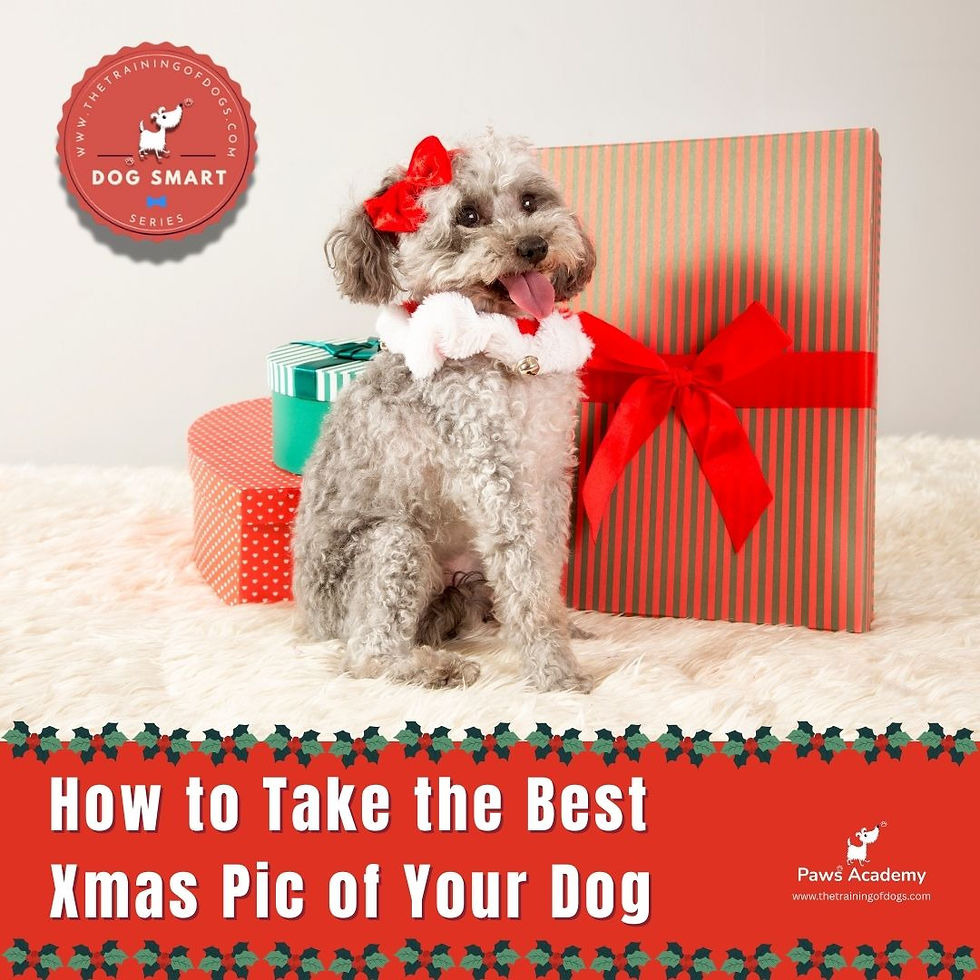
Taking a Christmas photo of your dog sounds easy. After all, they are naturally charming, full of expression and usually more entertaining than any staged set. Yet turning that charm into a photograph you genuinely love can be surprisingly tricky. You might end up with blurred shots, missed expressions or backgrounds that look more cluttered than festive. If you have ever attempted a seasonal picture and found yourself wondering why it looked better in your head, you are not alone.
This guide offers practical, honest advice to help you plan and shoot a Christmas picture that captures your dog at their best. It uses clear steps, simple tips and an approach that keeps the mood calm and enjoyable. You will find camera settings explained in plain language, suggestions for making your dog feel at ease and ideas for creative setups that look festive without becoming overwhelming. By the end, you will feel confident enough to create a picture that feels warm, seasonal and genuine.
Understanding Your Dog Before You Start
Before you reach for the camera, it helps to think about your dog’s natural temperament. Christmas pictures will always look better when you work with their comfort rather than against it. Some dogs are calm with props and costumes, others prefer simplicity. Some will sit still for longer periods, others will be in constant motion. There is no right or wrong. The aim is to plan a photoshoot that suits their personality so they can relax.
Pay attention to how your dog reacts to new objects. If a Santa hat causes them to shake or paw at it, pick something lighter like a ribbon collar or a soft scarf. If your dog becomes excited around sparkly decorations, avoid anything that jingles or moves easily. The best pictures come from sessions where your dog feels safe and unpressured. A relaxed dog will give you softer eyes, smoother body posture and more natural expression, which makes all the difference in a Christmas image.
You can also help your dog prepare by doing a short practice session. Let them explore your props or backdrop at their own pace. Give them calm praise when they settle. A few minutes of gentle preparation can prevent distractions when you start shooting.
Setting Up Your Christmas Background
A Christmas picture relies heavily on a background that looks festive yet tidy. Clutter tends to draw attention away from your dog, especially when holiday decorations are involved. Choose a spot in your home that already receives good natural light if possible. A plain wall, a simple curtain or a tidy corner with a tree nearby can be enough.
If you want a more decorative look, try creating a small scene with items you already own. A warm blanket, a cushion in deep red or green or some fairy lights placed safely out of reach can create a cosy setting. Keep the number of items low so your dog remains the focus. Your aim is to add seasonal touches without crowding the frame.
Fairy lights work well behind your dog because they blur nicely in photos and add a soft glow. Place them far enough back so your dog cannot reach the wires. If you prefer a rustic look, try a wooden crate, a basket or a knitted throw. These textures photograph nicely and give the picture a gentle winter theme.
If you have a Christmas tree, consider positioning your dog slightly to the side rather than directly in front of it. This prevents the tree from looking like it is growing out of their head and keeps the composition balanced.
Choosing Props and Outfits with Comfort in Mind
Props can add personality to Christmas pictures, but they should never make your dog uncomfortable. Simple items often work best. A soft scarf, a tartan bandana or a decorative collar can give just enough seasonal charm without distracting your dog.
If you want to use a costume like a reindeer headband or a Santa coat, introduce it slowly. Encourage your dog to sniff it first. Place it gently on them for a few seconds, remove it and reward them. Build up gradually. Some dogs will tolerate a costume for only a short time, so plan your shots before you put it on. Work quickly and keep the mood light.
Avoid anything that restricts movement or covers the eyes. Dogs communicate through expression, so you want their eyes clearly visible in every shot. If your dog dislikes clothing altogether, use prop placement instead. A wrapped present beside them or a soft blanket behind them can be just as effective.
Whatever you choose, remember that your dog is the subject, not the decoration. Props should support the picture, not take over.
Getting the Lighting Right
Lighting is the secret to a clean, bright Christmas photo. Natural light is usually the easiest and most flattering. A window with soft daylight creates even illumination without harsh shadows. Position your dog so the light falls gently across their face. You can use a white pillowcase or a light-coloured blanket opposite the window to bounce more light into darker areas.
If you are shooting in the evening or in a room without good daylight, turn on multiple lamps to mimic soft light. Avoid using your camera’s flash. Flash can startle dogs and often creates red-eye or harsh contrast. If you need stronger light, use a lamp covered with a white cloth placed safely to the side. This softens the light and prevents glare.
Fairy lights add charm, but they should complement rather than replace your main lighting. If you rely only on fairy lights, your picture may become grainy or too dim. Treat them as decorative accents rather than the primary light source.
Camera Tips for Clear, Sharp Shots
You do not need a professional camera to take a beautiful Christmas picture. A phone camera can work very well if you understand a few basics. First, stabilise your device. Hold it with both hands and lean your elbows against a surface if possible. This reduces shake, especially in low light.
Use your camera’s portrait mode if it has one. This mode helps blur the background slightly, making your dog stand out. Be careful not to place your dog too close to the backdrop. Portrait mode works best when there is some space behind the subject.
Focus on the eyes every time. Eyes carry emotion and draw viewers in. Tap the screen where the eyes appear before taking the shot. If your dog is moving a lot, use burst mode. This takes several images quickly so you can choose the best one later. Most dogs blink or turn away at the wrong moment, so burst mode increases your chances of capturing a clean expression.
If you are using a DSLR or mirrorless camera, set a fast shutter speed to reduce blur. Start with 1/250 or faster. Use a wide aperture such as f2.8 or f3.5 for a soft background. Keep ISO as low as possible to avoid grain. If you are new to these settings, practise before involving your dog so you feel confident.
Keeping Your Dog Engaged During the Shoot
A successful Christmas picture session requires patience. Dogs often lose interest quickly, especially when asked to sit still in front of decorations. Keep sessions short and relaxed. Five to ten minutes is usually enough.
Have treats within reach. Use them to encourage your dog to look in specific directions. Hold a treat near the camera lens so your dog gazes straight at it. If your dog responds well to sounds, try a soft whistle or a gentle syllable. Be careful not to overwhelm them with noise, as this can cause agitation rather than attentiveness.
Most dogs respond well to calm guidance rather than stern commands. Use simple cues they already know, such as sit or wait. If your dog stands up or moves away, allow them to reset. Forcing them into position will only make the session stressful. Work at their pace.
You can also involve play between shots. Toss a toy lightly to loosen them up, then encourage a brief sit. These natural transitions often lead to genuine expressions that feel far more authentic than stiff posing.
Capturing Genuine Emotion and Expression
The most memorable Christmas dog pictures show genuine emotion. A soft head tilt, a relaxed face, a curious sniff of a decoration or a gentle gaze toward their human creates more impact than any staged smile.
To encourage natural expression, make small movements or say your dog’s name quietly. Dogs often tilt their heads when they hear something interesting. Avoid repeating the same sound too often. Once or twice is usually enough before they become desensitised.
If your dog knows tricks like paw, high five or lie on their side, you can incorporate these for variety. Try placing a blanket on the floor and inviting your dog to settle on it. Many dogs look more relaxed lying down than sitting upright.
For a festive touch, capture a moment where your dog interacts with an item, such as sniffing a present or looking up at the tree. These moments feel warm because they show your dog’s natural curiosity.
Creative Christmas Photoshoot Ideas to Try
There are countless ways to create Christmas pictures, but a few dependable concepts tend to look good with any dog.
A classic option is your dog sitting in front of the tree with a ribbon collar. This works well if your tree has warm, soft lights. Keep presents minimal to avoid clutter.
Another idea is a cosy indoor scene. Place your dog on a cushion or blanket in colours like cream, forest green or deep red. Add a mug, a book or a scarf nearby to create a gentle winter theme. Make sure all items are placed safely, especially if your dog is prone to chewing.
For a playful look, try capturing your dog mid movement. A shake of the head, a small hop or a joyful trot past a decorated backdrop can create lively seasonal shots. Use burst mode so you do not miss the moment.
If you enjoy outdoor photography, a winter walk can produce natural Christmas pictures. Look for evergreen trees, crisp paths or soft snowfall if you are lucky. Keep the background simple and let your dog explore. Outdoor light is bright and flattering, so you often need less setup.
You can also sit on the floor with your dog and take a close-up. A portrait with blurred lights in the background, your dog’s face filling most of the frame, creates a warm and intimate effect. This is ideal for Christmas cards.
Handling Common Photography Challenges
Even with preparation, a few problems tend to appear in Christmas dog photography. One of the most common is movement blur. Dogs rarely stay still, and festive excitement can make them even more active. This is where burst mode and faster shutter speeds make a difference. Position yourself slightly above your dog so you can capture their face quickly when they look up.
Another challenge is colour balance. Christmas lights often create warm tones. This can make your dog’s fur look slightly too orange or yellow in photos. If you notice this, adjust the white balance on your camera or use your editing tool afterwards to cool the tones slightly.
Reflections can also be an issue, especially if your dog has darker features. Move your light source to the side rather than directly in front. This prevents shiny patches on noses and helps the eyes appear brighter.
Finally, some dogs become tired or restless. Watch for signs of discomfort. If your dog yawns repeatedly, turns away or licks their lips often, they may need a break. Allow them time to walk around, drink water or simply relax. A short pause often results in much better cooperation.
Light Editing for a Polished Finish
Editing does not need to be complicated. A few adjustments can lift your Christmas picture noticeably without making it look artificial. Start by brightening the image gently. Increase exposure only slightly so you keep detail in your dog’s fur.
Increase contrast a little to help features stand out. Add a touch of warmth if the picture feels too cool. If the background contains fairy lights, increase the highlights modestly so they glow more clearly.
Sharpen the eyes carefully. Most editing apps allow selective sharpening, which means you can enhance the eyes without making the rest of the picture look grainy.
Avoid heavy filters. Christmas pictures look best when they feel natural. A light touch usually gives the most appealing result.
Making the Experience Enjoyable for Both of You
The most important part of a Christmas dog photoshoot is the experience itself. If your dog feels relaxed and you enjoy the process, the pictures will reflect that comfort. Work in short bursts, keep treats handy and offer gentle reassurance throughout. If a setup is not working, adjust it or simplify it. Sometimes the best pictures come from spontaneous moments rather than planned poses.
Do not worry if you end up with one strong picture rather than ten. Quality matters far more than quantity. A single shot that captures your dog’s expression and personality can be enough to make a beautiful Christmas card or seasonal keepsake.
Stay patient with yourself as well. Photography takes practice. Each session teaches you something new, whether it is understanding light, recognising your dog’s best angles or learning how to time your shots more effectively. Enjoy the learning process.
Conclusion
Creating the perfect Christmas picture of your dog does not require expert equipment or advanced skills. With gentle preparation, simple setups and attention to your dog’s comfort, you can capture warm, genuine images that reflect the spirit of the season. Use natural light where possible, keep props light and familiar and work with your dog’s pace rather than forcing a pose. The small details, from softened lighting to calm guidance, shape the final result far more than complicated equipment ever could.
This Christmas, you can take a picture that feels personal, heartfelt and true to your dog’s character. With the tips in this guide, you will feel ready to create a seasonal memory that will bring you joy for years to come.


