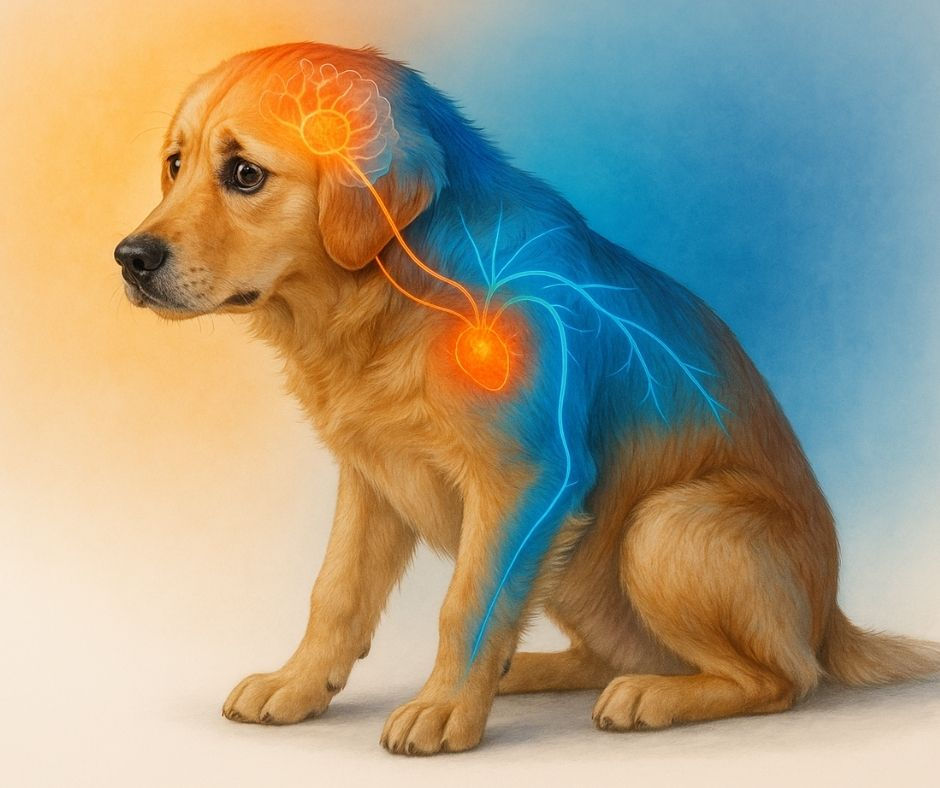
The Anatomy of Wagging. What Tail Position Means During Training


Dogs rarely speak with their voices, but they are constantly speaking with their bodies. The tail is one of the clearest parts of that silent conversation. During training, learning to read tail movement helps you understand how your dog feels, whether they are ready for the next step or whether you should pause and help them settle. Many owners notice wagging but do not always realise how much detail sits inside that single movement. The tail can rise, drop, curve, stiffen or sweep loosely, each with its own meaning. When you pay attention, your training sessions become smoother, calmer and far more productive.
This blog takes a close look at the anatomy of wagging. It breaks down how dogs use their tails to communicate and what these signals tell you during training. By the end, you will feel much more confident reading subtle shifts and responding in ways that support your dog’s learning.
Why Tail Language Matters During Training
Training is not only about cues and rewards. It is about communication. When you ask your dog to sit, stay or heel, you are creating a small conversation. Your dog listens, responds and looks to see how you react. The tail plays a big part in this. Even if your dog wags whenever they see you, the type of wag during training can tell you whether they are focused, confused, worried or overexcited.
Tail signals also show emotional changes faster than vocal cues. A dog might bark after something worries them, but their tail usually shifts first. If you can spot those early signs, you can adjust the difficulty of the task or the environment before the feeling escalates. This is especially helpful with young dogs who are still learning to cope with new experiences.
Another reason tail communication matters is safety. A wag is not always a greeting. Many dogs wag when they are unsure or when they hope to create distance. Understanding this helps you handle challenging moments wisely, avoiding situations that might overwhelm your dog.
How a Dog’s Tail Works
A dog’s tail is an extension of their spine, made up of vertebrae, muscles, nerves and tendons. These parts work together to allow a wide range of movement. The muscles along the tail anchor into the pelvis and down the back, creating a powerful communication tool. A quick, light sweep does not come from the same set of muscles as a slow, stiff wag. This is one reason tail signals are so varied.
Breeds with long tails can express more nuanced movements, although short-tailed and curled-tailed dogs communicate just as effectively. The signals might be smaller or shaped differently, but the emotional meaning remains similar. If your dog has a docked tail or a naturally short one, you may need to pay more attention to the base of the tail, the hindquarters and the rest of the body to read the full picture.
The tail also plays a role in balance. During training, especially with movement exercises such as recall or loose lead work, you might notice the tail acting like a counterweight. While this is not communication in the emotional sense, it is still part of how your dog navigates the task.
Tail Height. What Rising or Lowering Really Means
Tail height is one of the clearest indicators of emotional state. During training, it can tell you a great deal about your dog’s confidence level.
A tail held high usually shows alertness or a boost in confidence. This does not always mean your dog is completely comfortable. A very high, rigid tail often means high arousal. If this appears during training, your dog might be feeling overwhelmed or overstimulated. You may be asking for too much at once, or something in the environment is pulling their attention away.
A mid-level tail is the most neutral and usually the best place for learning. When the tail sits at or slightly above spine level and moves softly, your dog is likely calm and ready to focus. This is the emotional zone where training tends to flourish.
A low tail, especially one tucked tightly, is a sign of uncertainty. If your dog lowers their tail during training, they might be confused or uncomfortable with either the task or the environment. Lowering pressure, simplifying the cue or giving them a moment to reset can make a big difference.
Some dogs naturally carry their tails high or low, so it is important to compare what you see during training to their baseline. A naturally high-tailed dog with a lower tail than usual may feel unsure. A naturally low-tailed dog with a slightly raised tail may feel proud and confident.
Speed and Movement. What Wagging Style Tells You
Not all wags are equal. The tempo, stiffness and sweep of the tail all carry meaning. Paying attention to how your dog moves their tail can help you understand how they are processing a training session.
A loose, full-body wag usually shows relaxed enjoyment. If your dog greets you like this at the start of training or offers it after completing a cue, they feel comfortable and engaged. This wag often appears during training games or reward moments.
A slow, controlled wag signals careful thinking. Many dogs show this when they are trying to work out what you want. It can be a useful sign that your dog is concentrating. If the rest of their body is soft, you are in a good learning zone.
A fast, high wag can signal overexcitement. Some dogs move from enthusiasm to frustration quickly. If the tail becomes a fast metronome and the body stiffens, your dog may struggle to focus. A short break can bring things back on track.
A stiff wag is a warning sign. The movement is minimal, and the muscles along the tail base tense. This wag often appears when a dog feels conflicted. They may be unsure whether to stay engaged or retreat. During training, this is a signal to pause and reduce pressure.
A circular wag or helicopter tail usually means extreme joy. This appears most often around people or dogs they are thrilled to see. It is less common during structured training, but if it appears, you know your dog feels safe and happy.
Left or Right. The Subtle Side of Wagging
This detail surprises many owners, but dogs often wag more to one side depending on how they feel. Research suggests that wagging slightly more to the right is linked with positive emotion, while wagging more to the left can indicate uncertainty. It is a small signal, but once you start looking for it, you will often notice it.
During training, a right-leaning wag can show that your dog feels confident about the task. A left-leaning wag may appear when the cue is unclear or when the environment is distracting. This does not mean something is wrong. It simply shows how your dog is processing the moment.
Tail Position Changes During Specific Training Tasks
Different exercises trigger different tail reactions. Understanding these helps you adjust your approach in real time.
During recall, the tail often rises with excitement. If it rises too much and becomes stiff, your dog may be too stimulated to listen closely. Keeping recall playful and rewarding without encouraging frantic energy helps maintain focus.
During loose lead training, a steady, mid-level tail is a good sign that your dog is walking calmly. If the tail starts to rise, your dog may be spotting scents or sights that compete for attention. If it drops, the environment may feel overwhelming.
During stay work, the tail can tell you whether your dog is truly settled. A soft, lightly wagging tail shows comfort. A very still, tense tail means they are holding themselves tightly, often hoping for the release cue. Adding distance or duration too quickly can cause this.
During new or tricky cues, such as introducing a new piece of equipment, the tail may shift between low and mid-height. Watching these fluctuations helps you pace the session appropriately.
How Your Dog’s Tail Reflects Learning Stages
Training sessions often follow emotional waves. At the start, many dogs show a ready, upbeat wag. As they start thinking more deeply, the tail may slow or settle into a neutral position. When they understand a cue, the wag often becomes looser again.
If the tail repeatedly dips during a session, your dog may be struggling with the pace. Simplifying the task or offering easier wins helps build confidence. If the tail becomes very high and animated, your dog may be in an overexcited learning state, which makes mistakes more likely. Slowing your movements or reducing distractions helps rebalance things.
Recognising these shifts helps you design training sessions that feel smoother and more supportive.
Tail Signals and Emotional Wellbeing
Understanding tail messages also contributes to your dog’s wellbeing. Training should not only be productive, it should also feel safe and enjoyable. A dog who consistently shows confident, loose tail movement during training is likely experiencing it in a positive way.
On the other hand, if your dog repeatedly shows tucked or tense tail language, it may be a sign that something about your training approach needs adjustment. Perhaps the sessions are too long, too complex or set in environments that are too busy. Sometimes the issue is not the task but the timing. Young dogs, in particular, tire quickly and show that fatigue through their tails before they disengage completely.
Supporting Your Dog Through Tail-Aware Training
Once you understand tail cues, you can tailor your approach. If your dog’s tail drops, you can pause, add encouragement or break the task into smaller steps. If the tail rises too much, you can help them slow down by lowering your voice or adjusting your reward style.
Reward placement also influences tail movement. A treat delivered calmly and close to your dog helps keep the tail steady. A reward thrown or presented with high excitement lifts the tail and raises energy. There is no right or wrong here, but your choice should match the behaviour you are building.
When your dog shows signs of worry, give them space to reset. This might mean stepping back, letting them sniff or offering reassurance through calm interaction. Avoid forcing them to continue. A dog who feels safe learns faster and more willingly.
Tail Language Across Different Breeds
Breed structure affects tail expression, but the general emotional meanings remain consistent. Dogs with curled tails may communicate more through the tail base. Those with long tails show clearer sweeps and angles. Dogs with short or docked tails often express emotion through the whole rear end. Pay attention to the hips, spine and muscle tension. Over time, you will learn your dog’s personal communication style.
Growing Your Awareness Over Time
Reading tail language becomes easier with practice. Start by observing your dog when they are relaxed at home. Notice how their tail sits when they are happy, when they are resting and when they hear a sound outside. Compare these with what you see during training. The more you observe, the quicker the signals will become clear.
Try watching videos of your training sessions. Many tail movements are subtle and easy to miss in real time. Slowing things down helps you understand moments of confusion or excitement. This helps you adjust future sessions for smoother progress.
Conclusion
Tail language is one of the most useful tools you can use during training. It gives clear insight into how your dog feels, what they understand and what they need from you in each moment. When you learn to read these signals, you create training sessions that are calm, effective and enjoyable for both of you.
Every dog communicates slightly differently, so take your time getting to know your own dog’s natural tail habits. With patience and steady observation, you will soon be able to guide training sessions confidently, responding to subtle signals with ease.
Your dog is always speaking. Their tail simply helps you hear them more clearly.