
Why Decompression Matters for Reactive Dogs: Understanding the Power of Rest
- Renee Patience

- Jul 14, 2025
- 6 min read
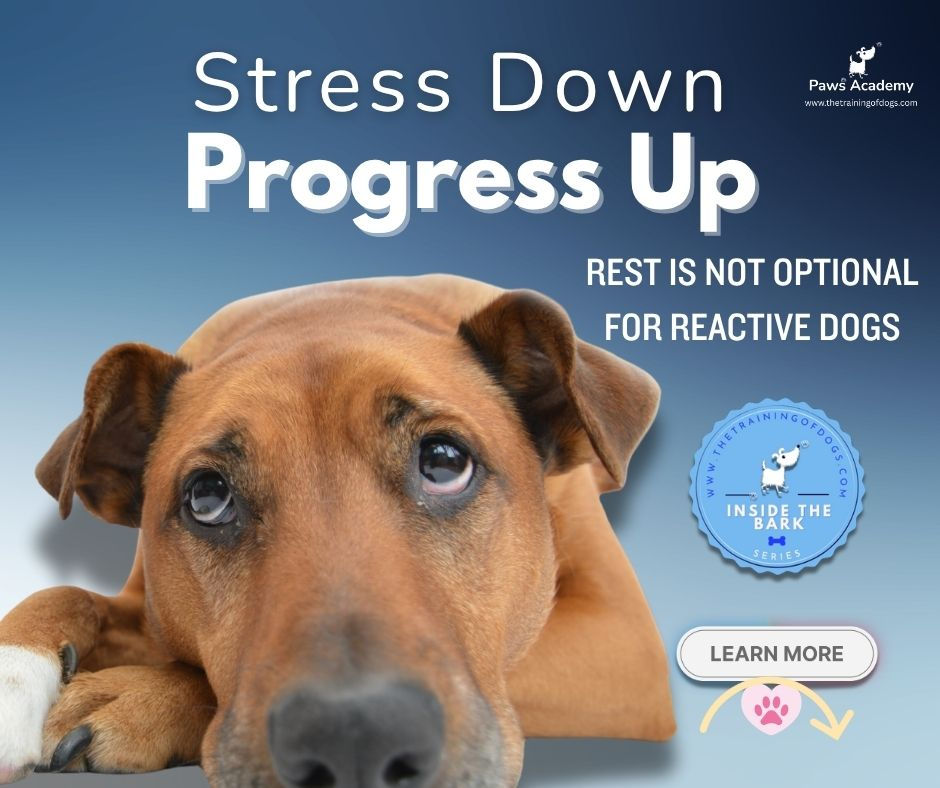
If you live with a reactive dog, chances are you have heard about decompression. But what does that really mean? Is it just another buzzword trainers use, or is there real value in giving your dog time to rest and reset? Let us dig into why decompression is not just helpful, it is absolutely necessary.
First off, living with a reactive dog can feel intense. Whether your dog reacts to other dogs, people, bikes or anything unexpected, you are probably managing walks with a high level of alertness. And your dog is likely feeling the same, but with far less control over their environment.
That is where decompression steps in.
What is Decompression?
Decompression is the process of allowing your dog to come down from a heightened state of stress or stimulation. It is not a specific task, and it does not require anything fancy. It is simply about giving your dog a break from pressure, both environmental and emotional.
For some dogs, decompression might mean peaceful walks in quiet green spaces where they can sniff and move freely. For others, it might involve calm days at home with no visitors, no training sessions and no expectations. The important thing is that it is not about doing more, it is about doing less.
This is not a short-term fix. It is a change in how we support our dogs.
Why Reactive Dogs Need Decompression
Reactive dogs are often overwhelmed by their surroundings. Their behaviours such as barking, lunging or growling are responses to discomfort or anxiety. When they are regularly exposed to things that stress them out, their system becomes flooded with tension. Even if they seem to calm down afterwards, the stress does not just disappear. It lingers and stacks up.
Imagine if several times a day you were suddenly startled or felt threatened. That tightness would not just leave you. You would carry it into your next experience, and the one after that. That is the reality for many reactive dogs.
Decompression gives your dog the chance to reset. It provides a window where they are not being challenged or stimulated beyond their threshold. No demands, no exposures, no expectations. Just space to breathe and feel safe.
Why Rest Comes Before Progress
You cannot train a dog effectively if their nervous system is constantly in a state of alert. It does not matter how consistent your training is or how skilled you are with timing and treats. If your dog is stressed, they are not in a space where learning can take place.
Think of decompression as laying the foundation. Without it, everything else you build will be shaky. But when a dog is relaxed, their brain works differently. They are more open to new experiences, better able to think clearly, and far more likely to make good choices.
If decompression is skipped, training is just another stressor. And instead of making progress, your dog may shut down or regress.
What Decompression is Not
There are a few misunderstandings that are worth clearing up.
Decompression is not the same as giving up. It is not about avoiding everything forever or locking your dog away from life. It is a temporary shift designed to help them recover, rebuild and feel safe again.
It is not a treat to be earned. It is not something your dog only gets when they have had a rough day or done well in training. It is not a luxury. It is a basic need.
It is also not laziness. Many dog owners feel the pressure to constantly be working on progress. But sometimes, the most important work happens when nothing seems to be happening at all.
How Long Should It Last?
The length of decompression depends on the dog. Some need a few quiet days. Others might require several weeks, especially if they have come from a stressful background or have recently experienced a surge in trigger moments.
If you have just adopted a dog who shows reactivity, consider decompression your whole focus for the first few weeks. That could look like slow, quiet walks in safe places, minimal stimulation at home and time to sleep and explore without pressure.
If your dog has been progressing well but has had a rough patch, you might only need a couple of days to help them settle again. There is no fixed timeline. Let your dog lead. Watch their body language. Give them space to show you what they are ready for.
What Does It Actually Look Like?
Decompression does not need to be dramatic. You do not have to live on a mountain or take weeks off work.
It might look like using a secure field instead of walking through busy streets. It might mean letting your dog sniff their way through a quiet woodland trail without any focus on obedience. It could be choosing not to take them to a busy event, even if they might cope.
At home, it might mean fewer cues and more choice. Let them snooze on the sofa. Let them watch the world quietly from a shaded spot in the garden. Turn down the volume. Give them more time to just be a dog.
You do not need to control every moment. Sometimes, your job is simply to make things quiet and safe.
Understanding the Nervous System
Reactivity is rooted in the nervous system. When your dog reacts, their body goes into survival mode. Adrenaline spikes. Muscles tighten. Breathing changes. These are not decisions they make, they are automatic responses.
If this keeps happening, the body starts to anticipate threat even when there is none. Your dog becomes wired for danger, even during calm moments. That is what chronic stress does.
Decompression interrupts that cycle. It allows the body to come back to baseline. It teaches the nervous system that calm is possible and that safety can be a regular experience. From that place, change becomes realistic.
Your Dog is Not a Fix-It Project
It is easy to slip into the mindset that your dog is broken and needs fixing. That with the right combination of tools, sessions and strategies, you will find the version of them that is finally “normal.”
But your dog is not broken. They are living in a world that often feels unpredictable and frightening. Decompression honours that experience. It says, you do not have to perform. You do not have to be brave. You can just rest.
And when your dog truly believes they are safe, everything else gets easier.
Progress is Not Always Linear
With reactive dogs, there will be highs and lows. You will have days that feel like breakthroughs and others that make you question everything. That is normal.
Some of the most meaningful progress happens during the quiet stretches, when you are not actively doing much at all. That space gives your dog time to absorb, process and recover.
You are not stepping away from the work. You are making space for the work to take hold.
Rest is Not a Reward
Decompression should not be framed as a bonus. It is not something your dog gets after earning it through training or endurance.
Your dog does not need to have a meltdown for you to offer them rest. It is a need, not a privilege.
If your dog lives in a state of tension, give them opportunities to feel what calm feels like. Let their system feel quiet. Let them breathe without expecting anything from them. It is one of the most supportive things you can offer.
Final Thoughts
Decompression is not just useful for reactive dogs. It is vital. It allows their nervous system to settle. It creates the conditions for learning and progress. It reduces overwhelm. And perhaps most importantly, it gives them the message that they are safe.
If you are living with a reactive dog, consider decompression not as a break from training but as a critical part of the process.
Let your dog rest. Let them be. Then, when they are ready, you can both move forward from a place of calm and confidence.
💬 Want Personal Help with Your Dog?
Book a 15-minute virtual consultation via Microsoft Teams for just €15.
In this one-on-one session, we’ll talk through your dog’s behaviour and see if ongoing support is the right fit. 💡 If you decide to book a full session or package, your €15 fee is fully refunded. It’s a no-pressure way to get expert advice and take the first step toward a calmer, happier dog.
Curious about what Paws Academy has to offer? Have a look at our online training hub and see what might work for you and your dog.


